

Key Takeaways
Missing the tax filing deadline can lead to late filing fees, interest on unpaid taxes, and delayed tax refunds.
You may also lose certain tax benefits or exemptions, depending on the applicable tax provisions.
Late filing can result in additional compliance requirements and, in some cases, notices from the Income Tax Department.
Missing the deadline does not mean you cannot file your return.
You may still be able to submit a belated return within the permitted time frame, subject to the applicable rules.
Filing a belated return can help regularize your tax compliance and reduce further consequences.
Keeping your financial records organized throughout the year makes tax filing easier and more accurate.
Understanding your tax obligations helps you avoid costly mistakes and last-minute stress.
Filing your Income Tax Return well before the due date is the best way to avoid penalties and ensure smooth compliance.
Timely tax filing strengthens your overall financial profile and promotes responsible financial management.
What Happens If You Miss the Tax Filing Deadline?
A Small Story
It was the last week of July, and Priya had everything ready to file her Income Tax Return. Her salary slips were organized, Form 16 was downloaded, and her bank statements were neatly saved in a folder. She even received several reminders from her employer and tax consultant.
However, a busy work schedule, family commitments, and the assumption that "there is still enough time" kept pushing the task to the next day.
Days turned into weeks, and before she realized it, the tax filing deadline had already passed.
At first, it didn't seem like a major issue. But later, she discovered that missing the deadline affected much more than just submitting a form. She had to deal with additional interest, possible late filing fees, delayed processing, and the risk of losing certain tax benefits available only when returns are filed on time.
Like Priya, thousands of taxpayers miss the tax filing deadline every year. Most of them do not do so intentionally. They simply underestimate the consequences of delaying one of the most important financial responsibilities.
Have You Missed the Tax Filing Deadline? Here's What You Need to Know

Life can get busy. Between work, business responsibilities, investments, and personal commitments, filing an Income Tax Return may not always be the first priority.
But ignoring the tax filing deadline can create financial and legal complications that extend far beyond a simple delay.
Whether you are a salaried employee, freelancer, business owner, professional, investor, or retiree, understanding the consequences of late tax filing can help you take timely corrective action and remain compliant with tax regulations.
The good news is that missing the deadline does not necessarily mean all hope is lost. In many cases, taxpayers still have options to rectify the situation, provided they act promptly.
Let's understand what actually happens when the tax filing deadline is missed.
What happens immediately after you miss the tax filing deadline?
The first consequence of missing the filing deadline is that your return is no longer considered a timely filed return. Depending on the applicable provisions under the Income-tax Act and the filing window available, you may still be able to submit a belated return, but certain benefits associated with timely filing may no longer be available.
Many taxpayers assume that filing a few days late does not matter. In reality, even a short delay can have financial implications, particularly if taxes remain unpaid.
The sooner you file after the due date, the better your chances of minimizing additional costs and compliance issues.
Will you have to pay a penalty for filing your Income Tax Return late?
One of the most common concerns among taxpayers is whether a late filing penalty will apply.
Depending on the applicable tax provisions and your circumstances, a late filing fee may be imposed if the return is not submitted within the prescribed due date. The amount may vary based on factors such as taxable income and the provisions in force for the relevant assessment year.
In addition to any applicable late filing fee, taxpayers may also have to pay interest if there is an outstanding tax liability that remains unpaid.
Understanding these consequences highlights why filing on time is not merely a formality but an important aspect of financial discipline.
What happens if you also have unpaid taxes?
Missing the filing deadline becomes more serious when taxes are still due.
Interest may continue to accrue on unpaid tax amounts until the liability is cleared, increasing the overall amount payable over time.
Some taxpayers mistakenly believe that paying taxes later will only result in a small additional cost. However, prolonged delays can substantially increase the financial burden.
Paying outstanding taxes as early as possible helps reduce further interest and supports better compliance with tax obligations.
Can your tax refund be delayed?
Yes.
If you are eligible for a refund, filing your Income Tax Return late can delay the processing of that refund.
Many salaried employees assume that since excess tax has already been deducted through TDS, there is no urgency in filing their return.
However, refunds are generally processed only after the Income Tax Return has been filed and verified.
A delayed return often means waiting longer to receive money that rightfully belongs to you.
For many taxpayers, this delay can affect cash flow, financial planning, and investment decisions.
Can missing the deadline affect future tax benefits?
Many taxpayers are surprised to learn that timely filing is linked to several important tax benefits.
Depending on the applicable provisions, filing your return after the due date may impact your ability to claim or carry forward certain eligible losses, which could otherwise reduce future tax liabilities.
For investors, business owners, and traders, this can translate into higher taxes in future years because valuable tax adjustments may no longer be available.
Timely compliance is therefore not just about avoiding penalties—it is also about preserving legitimate tax planning opportunities.
Can the Income Tax Department Issue Notices for Late Filing?
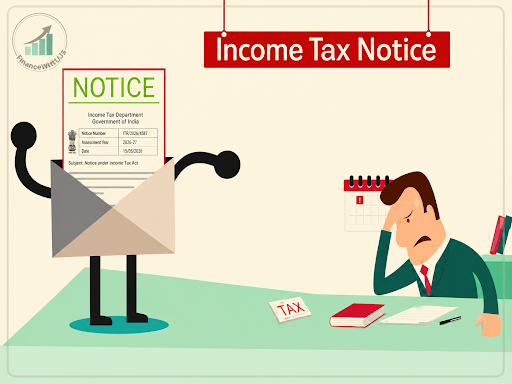
One of the biggest concerns taxpayers have after missing the filing deadline is whether they will receive a notice from the Income Tax Department.
While missing the due date does not automatically mean you will receive a notice, delayed filing may increase the chances of scrutiny, especially if there are discrepancies between the information available with the tax department and the details reported in your return.
The Income Tax Department has access to information from multiple sources, including employers, banks, financial institutions, stock brokers, mutual fund companies, and property registrars. If your financial transactions indicate taxable income but no return has been filed, the department may seek clarification.
Receiving a notice should not immediately cause panic. In many cases, notices are issued simply to request additional information or clarification. Responding within the prescribed timeline and maintaining accurate documentation can help resolve such matters efficiently.
The best way to reduce the likelihood of unnecessary notices is to file your return accurately and within the prescribed timelines.
Can Late Tax Filing Affect Loan Approvals or Visa Applications?
Many people believe that an Income Tax Return is only important for paying taxes. In reality, it also serves as an important financial document.
Banks, non-banking financial companies (NBFCs), and other lending institutions often ask for Income Tax Returns while evaluating applications for home loans, personal loans, education loans, or business loans. A consistently filed tax return reflects financial discipline and provides evidence of income.
Similarly, several countries require applicants to submit Income Tax Returns during visa processing. Whether you are applying for a tourist visa, student visa, business visa, or permanent residency, tax returns may be requested to verify your financial stability.
Missing the filing deadline may not directly lead to a loan rejection or visa refusal, but delayed or missing returns can complicate the documentation process and may require additional explanations.
Maintaining timely tax compliance strengthens your financial credibility and supports future financial goals.
Can You Still File Your Income Tax Return After Missing the Deadline?
The answer is yes in many situations, taxpayers may still be able to file a belated return, subject to the provisions of the Income-tax Act and the applicable filing timelines.
Although filing late may involve additional fees, interest, or the loss of certain tax benefits, submitting the return is generally a better option than not filing at all.
The longer you delay, the greater the possibility of facing additional financial consequences or compliance issues.
If you realize that you have missed the deadline, avoid postponing the matter further. Gather the required documents, calculate your tax liability accurately, and complete the filing process at the earliest opportunity.
If your tax situation is complex, seeking guidance from a qualified tax professional can help ensure that the return is filed correctly.
How Can You Avoid Missing Future Tax Filing Deadlines?
Preventing late filing is much easier than dealing with its consequences.
One of the most effective strategies is to begin tax preparation well before the due date. Waiting until the final week often leads to unnecessary stress, missing documents, technical issues, or calculation errors.
Maintain a dedicated folder containing salary documents, Form 16, bank statements, investment proofs, capital gains statements, interest certificates, and other tax-related records throughout the year.
Setting calendar reminders several weeks before the due date can also be extremely helpful. Many taxpayers benefit from scheduling periodic reviews of their financial records instead of collecting everything at the last moment.
If you have multiple sources of income, investments, or business transactions, consulting a tax professional before the filing season can help identify potential issues early and ensure a smoother filing process.
Timely preparation not only saves money but also provides peace of mind.
Practical Tips for Filing Your Income Tax Return on Time
Filing your return on time becomes much easier when tax planning is treated as a year-round activity rather than a last-minute task. Here are some practical habits that can help:
Keep all tax-related documents organized throughout the financial year.
Review your income, deductions, and investments regularly.
Match your financial records with the information available in your tax statements.
Calculate any outstanding tax liability well before the due date.
File your Income Tax Return as early as possible instead of waiting until the deadline.
Verify your return promptly after filing to complete the process.
Preserve copies of your filed return and supporting documents for future reference.
Seek professional advice if your financial situation involves multiple income sources or complex transactions.
Developing these habits can significantly reduce stress during tax season and help you remain compliant every year.
Final Thoughts
Tax filing is more than a legal obligation—it is an important aspect of responsible financial management. While missing the filing deadline may seem like a minor oversight, it can trigger consequences that affect your finances, future tax planning, and even your ability to access certain financial services.
The good news is that most late filing situations can be addressed if action is taken promptly. Rather than ignoring the problem, taxpayers should focus on understanding their obligations, collecting the necessary documents, and completing the filing process as soon as possible.
Every financial decision carries a responsibility, and filing your Income Tax Return on time is one of the simplest ways to demonstrate financial discipline. By staying organized, planning ahead, and seeking professional guidance when needed, you can avoid unnecessary stress and ensure smoother tax compliance in the years ahead.
Frequently Asked Questions (FAQs)
1. What happens if I miss the Income Tax Return filing deadline?
You may still be able to file a belated return, but depending on the applicable tax provisions, you could be liable for late filing fees, interest on unpaid taxes, or the loss of certain tax-related benefits.
2. Will I have to pay a penalty for filing my return late?
Late filing may attract a fee and, if taxes remain unpaid, interest may also apply. The exact amount depends on the provisions applicable to the relevant tax year.
3. Can I still receive my income tax refund after filing late?
Yes. If you are eligible for a refund, it can generally still be processed after your return is filed and verified. However, filing late may delay the refund.
4. Can the Income Tax Department issue a notice if I file late?
In some cases, the department may seek clarification or issue notices if there are discrepancies or if required information has not been reported. Filing accurately and maintaining records helps address such situations.
5. Does late tax filing affect my credit score?
Late filing itself does not directly affect your credit score. However, financial institutions may consider your tax filing history when assessing loan applications.
6. Can late filing impact my loan or visa application?
Many lenders and foreign authorities request Income Tax Returns as proof of income. Delayed or missing returns may require additional explanations during the application process.
7. How can I avoid missing the tax filing deadline in the future?
Maintain organized records, prepare your documents early, set reminders, review your finances periodically, and file your return well before the due date.
