

Key Takeaways
Mutual funds carry both general and specific risks.
Diversification reduces company-specific risk but not market risk.
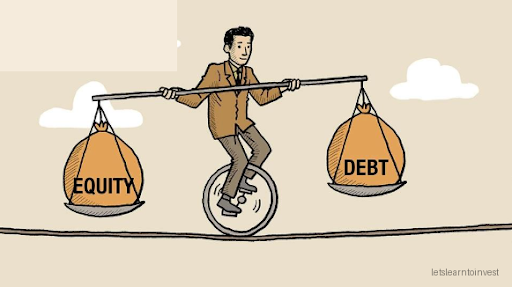
Equity funds offer higher returns but come with higher volatility.
Debt funds are sensitive to interest rates and credit risk.
Returns should be evaluated along with risk, not alone.
CAGR is the most accurate way to measure long-term returns.
SEBI ensures transparency but does not guarantee returns.
Investor discipline and time horizon are key to success.
Riya invested in a mutual fund after seeing high past returns. Her friend Aman, however, studied the risks liquidity, interest rate, and market fluctuations.
After a year, markets fell. Riya panicked because her returns dropped sharply. Aman stayed calm because he knew volatility was part of equity investing.
Years later, Aman’s disciplined approach helped him build wealth, while Riya kept switching funds based on short-term returns.
Lesson: Understanding risk is more important than chasing returns.
"Returns attract investors, but understanding risk makes them successful."
What are general and specific risks in mutual funds?
General risks are those that affect all mutual funds, such as liquidity risk, interest rate risk, and economic changes. These risks arise due to overall market conditions and cannot be avoided. Specific risks, on the other hand, depend on the type of investment.
For example, equity funds face volatility risk, while debt funds face credit risk. Understanding both types helps investors choose suitable schemes. It is also important to read the Scheme Information Document (SID), which clearly lists these risks. Investors should align their investments with their risk tolerance and financial goals.
How does market risk affect my investment?
Market risk refers to fluctuations in prices due to economic and market-wide factors. This type of risk impacts all securities, and diversification cannot eliminate it. For example, during a market downturn, most equity funds will decline in value. Mutual funds pass this risk directly to investors since they are pass-through vehicles. However, long-term investing can reduce the impact of short-term volatility. Investors should stay invested and avoid reacting to temporary market movements.
What factors affect mutual fund performance?
Mutual fund performance depends on asset class, fund manager strategy, and market conditions. In equity funds, performance is driven by stock selection and market timing. In debt funds, interest rates and credit quality play a major role. Economic conditions, government policies, and global factors also influence returns. Additionally, diversification and portfolio allocation decisions impact performance. Investors should evaluate both returns and consistency before investing.
What is the difference between simple and compounded returns?
Simple return measures the change in investment value over a period without considering compounding. Compounded return, however, takes into account the reinvestment of earnings over time. This makes it more accurate for long-term investments. CAGR (Compounded Annual Growth Rate) is commonly used to measure mutual fund returns. It reflects the true growth rate of an investment. Investors should prefer CAGR over simple returns for better comparison.
Why is diversification important?
Diversification helps reduce company-specific or unsystematic risk. By investing across multiple securities, losses in one investment can be offset by gains in another. However, diversification cannot eliminate market risk. Mutual funds inherently provide diversification, making them safer than investing in individual stocks. It is still important to choose the right category of funds based on risk appetite.
How is risk measured in mutual funds?
Risk is measured using tools like variance and standard deviation, which indicate fluctuations in returns. Beta measures how a fund moves compared to the market. For debt funds, modified duration shows sensitivity to interest rate changes. Credit rating indicates the likelihood of default. These measures help investors understand the level of risk in a scheme. Comparing these metrics with benchmarks provides better insights.
What risks should I consider in equity funds?
Equity funds are exposed to price volatility, business risks, and liquidity risks. Small-cap and mid-cap funds carry higher risk compared to large-cap funds. Market fluctuations can cause short-term losses, but long-term investments tend to stabilize returns. Investors should have a long investment horizon and avoid panic during downturns. Proper asset allocation is essential to manage risk.
Are debt funds risk-free?

Debt funds are not risk-free. They face interest rate risk and credit risk. Changes in interest rates can affect bond prices, while credit risk arises if issuers fail to repay. Even short-term funds can face credit events. Investors should check the credit quality and maturity profile of the portfolio. Low risk does not mean zero risk in debt funds.
What are SEBI rules regarding returns?
SEBI does not allow mutual funds to guarantee returns unless it is an assured return scheme. Advertisements must follow strict guidelines and disclose risks clearly. Returns shown are based on historical performance and may not repeat in the future. Investors should always read scheme documents before investing. Transparency is ensured, but returns are not guaranteed.
How can I manage risks effectively?
Risk can be managed through diversification, proper asset allocation, and long-term investing. Matching investment horizon with fund type is crucial. For equity funds, staying invested for longer periods reduces volatility impact. For debt funds, choosing high-quality securities lowers credit risk. Understanding your financial goals and risk tolerance is the first step. Regular review of investments also helps in managing risks.
Final Thoughts
Mutual fund investing is a balance between risk and return. While returns attract attention, it is the understanding of risks that ensures long-term success. Every scheme carries inherent risks, but informed decisions can help manage them effectively. Instead of chasing high returns, investors should focus on consistency, diversification, and alignment with financial goals. A disciplined approach and long-term perspective can turn market fluctuations into opportunities rather than threats.
FAQs
1.What is the biggest risk in mutual funds?
Market risk is the most significant as it affects all investments.
2.Can mutual funds guarantee returns?
No, except for assured return schemes with a guarantor.
3.Which is riskier: equity or debt funds?
Equity funds are generally riskier due to higher volatility.
4.What is CAGR in mutual funds?
It is the compounded annual growth rate of investment.
5.How does diversification reduce risk?
It reduces company-specific risk by spreading investments.
6.What is credit risk in debt funds?
It is the risk of issuer defaulting on payments.
7.Why do NAVs fluctuate?
Due to changes in market prices of underlying securities.
8.Should I focus only on returns?
No, always evaluate both risk and return before investing.


