

Key Takeaways
Review your monthly spending regularly to identify unnecessary expenses and eliminate wasteful habits.
Focus on spending money on things that truly add value to your life rather than making impulse purchases.
Small savings made consistently can accumulate into significant financial benefits over time.
Creating and following a budget helps maintain financial discipline without sacrificing your lifestyle.
Redirect the money saved toward important goals such as emergency funds, debt repayment, or investments.
Smart spending is not about restricting yourself; it is about making intentional financial choices that support long-term financial freedom
How to Cut Unnecessary Expenses Without Sacrificing Your Lifestyle
Many people assume that saving money requires major sacrifices, but that isn't always true. The key to financial success is not spending less on everything; it's spending wisely on the things that truly matter. By identifying unnecessary expenses and making small adjustments to your daily habits, you can improve your finances without feeling restricted. In this guide, we'll explore practical ways to save money while maintaining the lifestyle you enjoy.
Why Is It Important to Cut Unnecessary Expenses?
Cutting unnecessary expenses helps create more room in your budget for important financial goals such as saving, investing, or paying off debt. Many small expenses seem harmless individually, but together they can consume a significant portion of your monthly income. By reducing wasteful spending, you can build financial security without dramatically changing your lifestyle. The money saved today can help create greater opportunities and peace of mind in the future.
What Are Unnecessary Expenses?
Unnecessary expenses are purchases or recurring costs that do not add meaningful value to your life. These often include unused subscriptions, impulse purchases, excessive dining out, premium memberships, and convenience purchases that could be avoided. While these expenses may seem small, they can add up significantly over time. Understanding which expenses are truly necessary and which are optional is the first step toward smarter financial management.
How Can You Identify Areas Where You're Overspending?
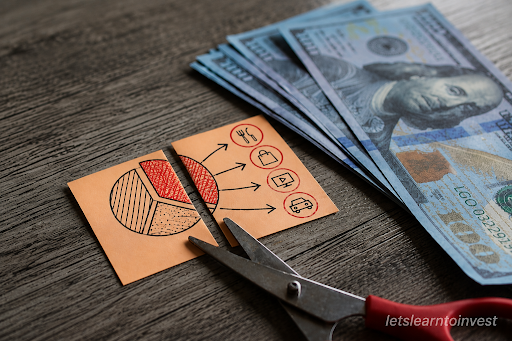
The easiest way to identify overspending is by reviewing your bank statements and expense records for the last few months. Categorize your spending into essentials, lifestyle expenses, and discretionary purchases. You may notice recurring charges or spending habits that provide little value. Tracking your expenses regularly helps you understand where your money is going and reveals opportunities to reduce waste without affecting your daily comfort.
How Can Meal Planning Help Reduce Expenses?
Meal planning is one of the simplest ways to reduce food expenses while maintaining a healthy lifestyle. Planning meals in advance helps avoid unnecessary grocery purchases and reduces food waste. It also minimizes the temptation to order expensive takeout when you don't know what to cook. By preparing a weekly meal schedule, you can save money while still enjoying nutritious and satisfying meals.
Why Should You Limit Food Delivery and Dining Out?
While dining out and food delivery are convenient, they often come with additional costs such as service fees, delivery charges, and tips. Frequent restaurant visits can significantly increase monthly spending without providing long-term value. Reducing dining out doesn't mean eliminating it completely; instead, reserve it for special occasions or planned outings. This approach allows you to enjoy restaurant experiences while keeping your budget under control.
How Can Reviewing Subscriptions Save Money?

Many people continue paying for subscriptions they rarely use because the charges are automatic and often go unnoticed. Reviewing your subscriptions every few months can reveal unnecessary expenses such as streaming platforms, gym memberships, or software services that no longer provide value. Canceling unused subscriptions can create immediate monthly savings. Even eliminating a few small subscriptions can result in substantial savings over the course of a year.
How Can You Enjoy Entertainment Without Overspending?
Having fun doesn't require spending large amounts of money. Many communities offer free or low-cost events, parks, cultural activities, and workshops that provide excellent entertainment value. Hosting gatherings at home or participating in outdoor activities can also reduce expenses while maintaining a fulfilling social life. The goal is to focus on experiences rather than constantly spending money on expensive entertainment options.
What Is the 24-Hour Rule for Smart Spending?
The 24-hour rule involves waiting at least one day before making a non-essential purchase. This waiting period helps reduce impulse buying and allows you to evaluate whether the purchase is truly necessary. Many people find that after 24 hours, the desire to buy the item decreases significantly. This simple habit can prevent unnecessary spending and help you make more thoughtful financial decisions.
How Can Utility Bills Be Reduced Without Sacrificing Comfort?
Lowering utility bills doesn't require major lifestyle changes. Small actions such as turning off unused lights, unplugging electronics, using energy-efficient appliances, and conserving water can make a noticeable difference. Reviewing internet, phone, and service plans can also reveal opportunities to switch to more affordable options. These adjustments reduce monthly expenses while maintaining the same level of comfort and convenience.
How Can Transportation Costs Be Lowered?
Transportation expenses often represent a significant portion of monthly spending. Combining errands into a single trip, using public transportation when possible, and maintaining your vehicle properly can reduce fuel and maintenance costs. Carpooling with coworkers or friends is another effective strategy for saving money. Small improvements in transportation habits can lead to substantial annual savings.
Why Is Budgeting Essential for Financial Success?
A budget serves as a roadmap for your finances by ensuring that every dollar has a purpose. It helps you understand your spending habits, prioritize financial goals, and avoid unnecessary expenses. Budgeting doesn't mean restricting yourself from enjoying life; it means making intentional choices about where your money goes. A well-structured budget creates financial stability while allowing room for enjoyment and personal priorities.
What Is the 50/30/20 Budgeting Rule?
The 50/30/20 budgeting rule is a simple framework that divides your income into three categories. Fifty percent goes toward necessities such as housing and utilities, thirty percent is allocated for wants and lifestyle expenses, and twenty percent is dedicated to savings and investments. This balanced approach helps maintain financial discipline while still allowing you to enjoy your lifestyle. Many financial experts recommend this method because it is easy to understand and implement.
How Can Technology Help You Save Money?
Financial apps and budgeting tools can make managing money much easier. These tools help track expenses, monitor subscriptions, set savings goals, and provide spending insights. Many apps also send alerts when spending exceeds budget limits, helping users stay accountable. Using technology effectively can simplify financial planning and encourage better money management habits.
What Should You Do With the Money You Save?
Money saved from reducing unnecessary expenses should be directed toward meaningful financial goals. This could include building an emergency fund, paying off debt, investing for future growth, or saving for major purchases. Redirecting savings toward productive uses ensures that your financial situation continues to improve over time. Every dollar saved has the potential to create greater financial security and freedom.
What Common Mistakes Should You Avoid?
One common mistake is cutting expenses too aggressively, which often leads to frustration and unsustainable habits. Another mistake is ignoring small recurring expenses that gradually consume a large portion of income. Failing to track spending or review financial progress can also limit your success. The best approach is to make gradual, realistic changes that can be maintained over the long term.
Final Thought
Cutting unnecessary expenses does not mean giving up the things that make life enjoyable. Instead, it means becoming more intentional about how you spend your money and focusing on what truly matters. By eliminating wasteful spending, optimizing recurring costs, and maintaining a balanced budget, you can improve your financial health without sacrificing your lifestyle. Small changes made consistently can lead to significant financial benefits over time.
Frequently Asked Questions (FAQs)
1. How can I reduce expenses without feeling deprived?
Focus on cutting wasteful spending rather than eliminating activities and purchases that genuinely improve your quality of life. Small adjustments often create meaningful savings without affecting your happiness.
2. What is the easiest expense to cut?
Unused subscriptions and impulse purchases are typically the easiest expenses to eliminate. Many people discover they are paying for services they rarely use.
3. How much money should I save every month?
A common recommendation is to save at least 20% of your income. However, the most important factor is maintaining a consistent saving habit that fits your financial situation.
4. Is dining out always a bad financial decision?
No. Dining out can be part of a balanced budget when done in moderation. The key is to plan for it rather than making it a frequent habit.
5. How often should I review my budget?
Reviewing your budget monthly helps identify spending patterns and ensures your financial goals remain on track.
6. Can small savings really make a difference?
Yes. Small savings accumulated consistently over months and years can result in substantial financial growth and improved stability.
7. Should I save money or invest it?
Ideally, build an emergency fund first and then begin investing excess savings to create long-term wealth.
8. What is the biggest budgeting mistake people make?
The biggest mistake is failing to track expenses. Without understanding where money goes, it becomes difficult to make effective financial decisions.
9. How can I avoid impulse purchases?
Using the 24-hour rule, shopping with a list, and avoiding emotional spending can significantly reduce impulse purchases.
10. What should be my first financial goal?
Building an emergency fund is often the best first step because it provides financial security and protection against unexpected expenses.


